
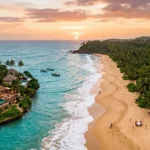
There’s a reason why Sri Lanka is called the “Pearl of the Indian Ocean”. It’s actually a captivating holiday destination that offers you lush green tea hills. This is where you see wildlife safaris and ancient heritage sites. Golden beaches and the vibrant culture are a part of what you’ll see on the small island.
Read more: What European Travellers Should Know Before Visiting Sri LankaIf you’re a European traveller, then Sri Lanka offers you everything you could imagine. You can experience beach sun, adventure, culture, all with affordability. But there are some things European travellers should know before visiting Sri Lanka.
Sri Lanka Tourism By The Numbers
Take a look at what’s happening on the ground in Sri Lanka’s travel scene:
In 2025, Sri Lanka actually made a record of welcoming 2.3 million foreign tourists. This is breaking the pre pandemic numbers very strongly. You can clearly see a strong international interest in the island. Source: The Economic Times
Europe accounted for more than 51% of arrivals. This is an indication of the appeal of Sri Lanka as a destination for a winter sun holiday. Travellers from the UK, Germany and beyond enjoy coming here. Source: ET Travel World
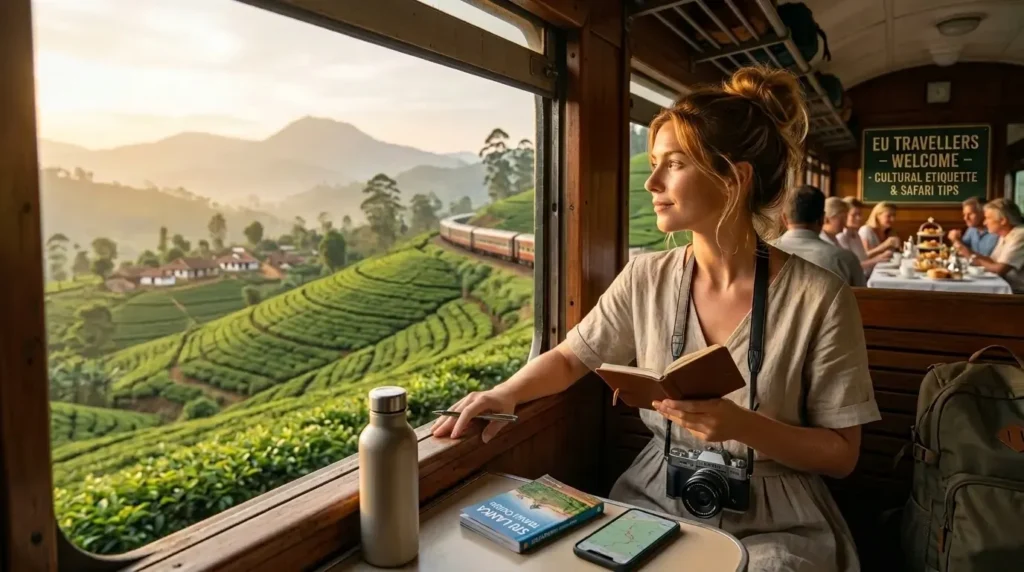
Things European Travellers Should Know Before Visiting Sri Lanka
Visa & Entry Requirements
European travellers mostly need a visa to visit Sri Lanka. You can obtain most short term tourism visas online through Sri Lana’s Electronic Travel Authorization. This is a fast and straightforward way to do it before your departure. Remember to confirm eligibility on the official Sri Lankan immigration website before. Doing this well ahead of your trip date is worth it.
Tip: Many nationalities actually benefit from simplified or fee waived tourist ETA schemes which are introduced to boost travel ease. So you have to check the current rules before booking.
Best Time to Visit Sri Lanka
Sri Lanka’s weather actually depends on dual monsoon seasons:
Southwest monsoon (May to September): This brings rain to Colombo, Galle and the west or south coasts.
Northeast monsoon (October to January): This affects the east coast like Trincomalee and Arugam Bay.
For Europeans chasing sunshine and dry weather, the best time is December to April on the west or south coasts. The best is mostly May to September on the east coast. The weather can change year to year so check the forecasts before you go.
Culture & Respectful Travel
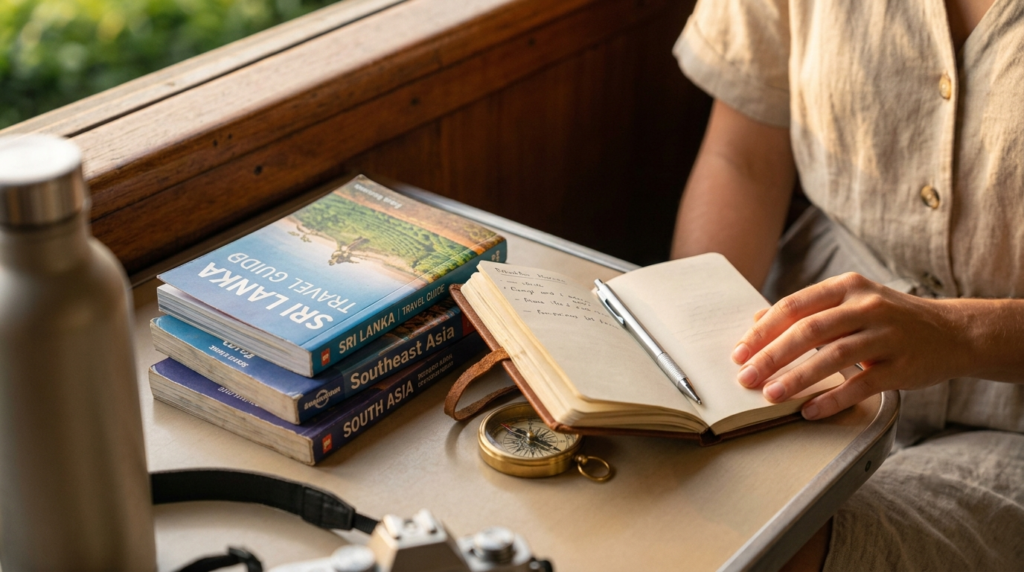
Sri Lanka is actually proudly diverse with Buddhist, Hindu, Muslim and Christian traditions. This shapes its heritage. When visiting temples or sacred sites:
- Dress modestly (shoulders/knees covered).
- Remove shoes before entering places of worship.
- Ask permission before taking photos of locals in places of worship.
This is a welcoming country where a little caution goes a long way.
Safety & Practical Tips
Sri Lanka is a very safe destination for travellers who come as families and solo adventurers. However, as with any foreign travel:
Be aware of petty theft in markets and transportation hubs
The roads in Sri Lanka can be very chaotic, and therefore crossing the road and riding tuk-tuks can be quite challenging.
You may see temporary flooding with seasonal weather events. Travel delays are also a risk so remember to build buffer time into your itinerary.
Transportation & Getting Around
This is where you see British colonial-era rail routes to tuk-tuks. Sri Lanka’s transport is an adventure in itself. You can try the iconic trains through the hill country which are loved by travellers. Or you could book early in peak season. Tuk-uks offer short-trip convenience but always remember to agree on the fare first.
Food, Drink & Health
Sri Lankan cuisine is bold, aromatic as well as delicious. This is where you can expect fragrant rice and curry. You can also try out kottu roti and freshly caught seafood. You’ll find plenty of options for European palates, but
- Stay hydrated in the tropical heat.
- Be cautious with street food if you have a sensitive stomach.
- Use mosquito repellent to stay away from dengue and chikungunya. These things are more of an issue in the rainy seasons.
Currency & Value
For European travellers, Sri Lanka is a good value destination. The local currency offers favourable exchange rates for Europeans. This means meals, tours and accommodations that are mostly affordable if you compare them to Western Europe. This is especially outside peak holiday hubs.
Conclusion
Are you a European traveller who’s searching for the perfect destination? Sri Lanka offers on every level for you. It’s compact enough to actually explore in two weeks. But it’s also diverse enough to feel like many countries in one trip.
This is where you see improved tourism infrastructure with strong European visitor numbers. You’ll see year round travel options which depend on the coast you choose. Sri Lanka continues to position itself as one of the best long haul destinations.
Frequently Asked Questions
Q – Do Europeans need a visa to visit Sri Lanka?
A – Yes, most of the European passport holders have to apply for an ETA. Or a relevant tourist visa is a must before arrival. It’s best to do the processing ahead of traveling online.
Q – What’s the best time of the year to visit Sri Lanka for Europeans?
A – The ideal travel windows are between December and April for the west/south coast. It’s May to September for the east coast but it depends on seasonal monsoons.
Q – Is Sri Lanka safe for solo European travellers?
A – Sri Lanka is mostly welcoming and also safe for solo travellers. But visitors should stay alert for petty scams.
Q – How much does a trip to Sri Lanka cost from Europe?
A – Costs can change but Sri Lanka tends to be budget friendly. You’ll see competitive prices on food, accommodation and excursions if you compare it to Western Europe.
Q – What should Europeans pack for a Sri Lanka itinerary?
A – All you need to do is pack lightweight tropical clothing. Don’t forget to take in some sunscreen and insect repellent as well. A reusable water bottle and modest attire will also be worth it.


 Call Us
  Whatsapp